
THE WEIGHT OF INFRASTRUCTURE
LOS ANGELES
Infrastructure is often discussed in terms of superlatives and the literal weight of many of these massive projects is visually and cognitively striking: How much concrete does it take to channel the meandering Los Angeles River or loft the region’s freeways over large areas of the city fabric? Massive amount of material investments can also be invisible: How much earth is displaced during LA Metro’s tunneling for new subway lines and where does this orphaned geology go?
But the weight of infrastructure extends beyond literal tonnage. Certain lightweight materials—airborne particulates from freeways and lead from recycling facilities—have heavily impacted life in the neighborhoods around these infrastructural zones. Figuratively, “The Weight of Infrastructure” might also refer to the burden placed on certain communities adjacent to or downwind from certain infrastructural projects and while infrastructure may provide mobility for some, it can also limit movement for the front-line communities in the areas carved up by freeways, rivers, and rails. The research portion of this studio attempts to understand the hidden repercussions of our infrastructural legacies while the design provocations contribute to ongoing efforts to develop new versions of infrastructure that can address the grand aspirations of a metropolis preparing to host the 2028 Olympics while attempting to repaire the damage produced by earlier versions of heroic ambition.
The following findings and proposals were produced by students as a part of a Woodbury School of Architecture fourth-year research/design studio sponsored by the Los Angeles County Metropolitan Transit Authority.
Areas of Infrastructural Focus
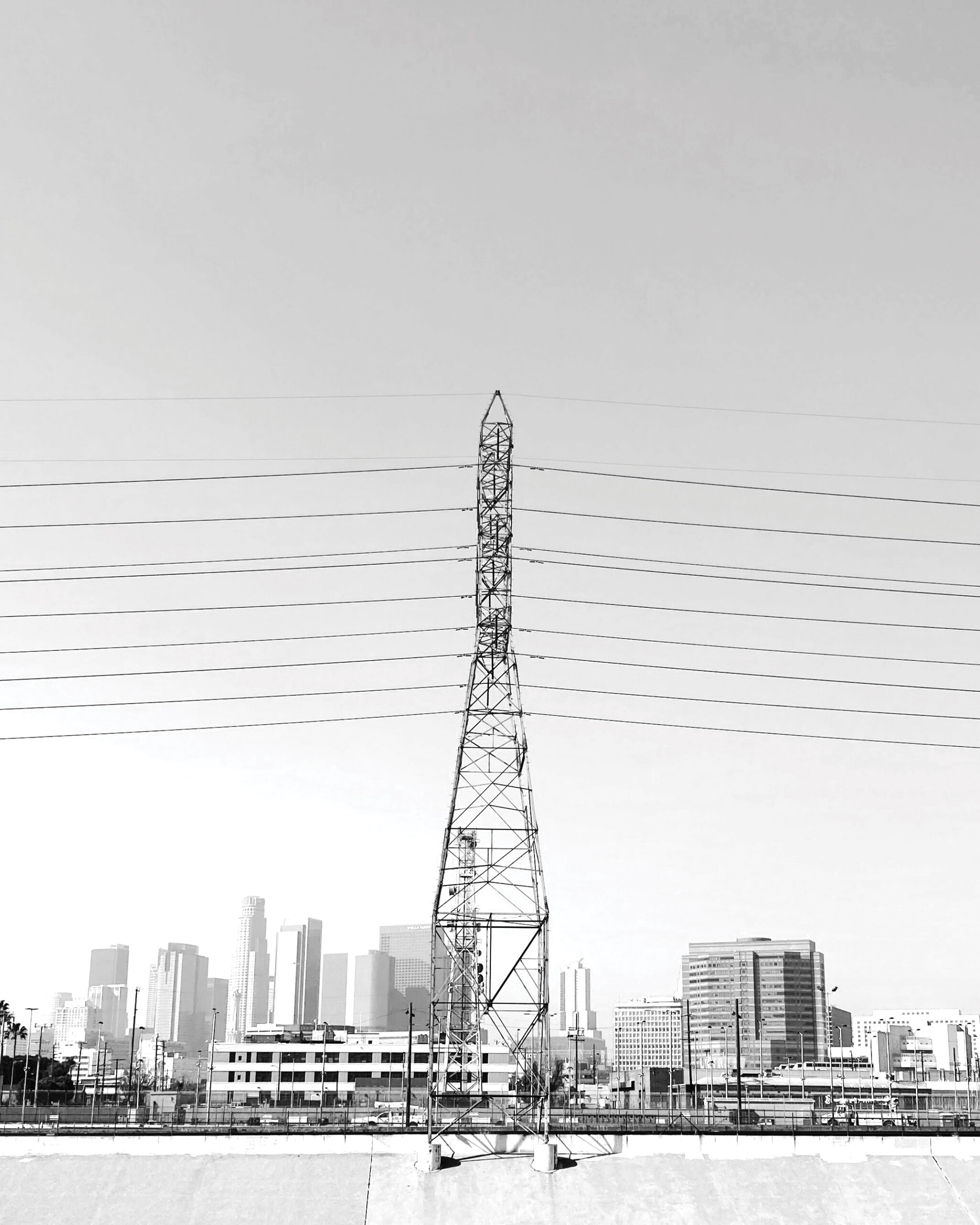
Power & Energy
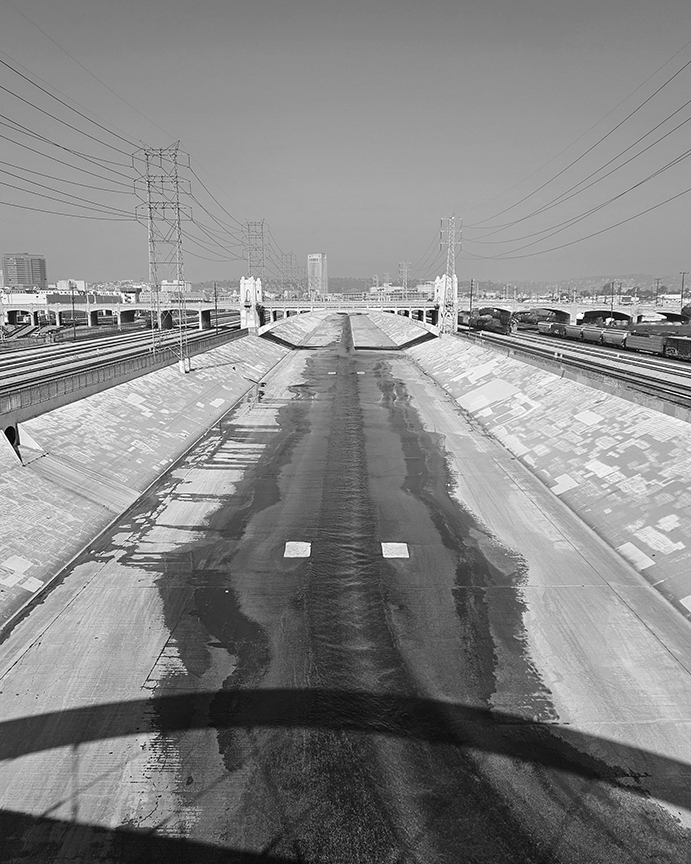
Stormwater & Flood Control

Street Grid
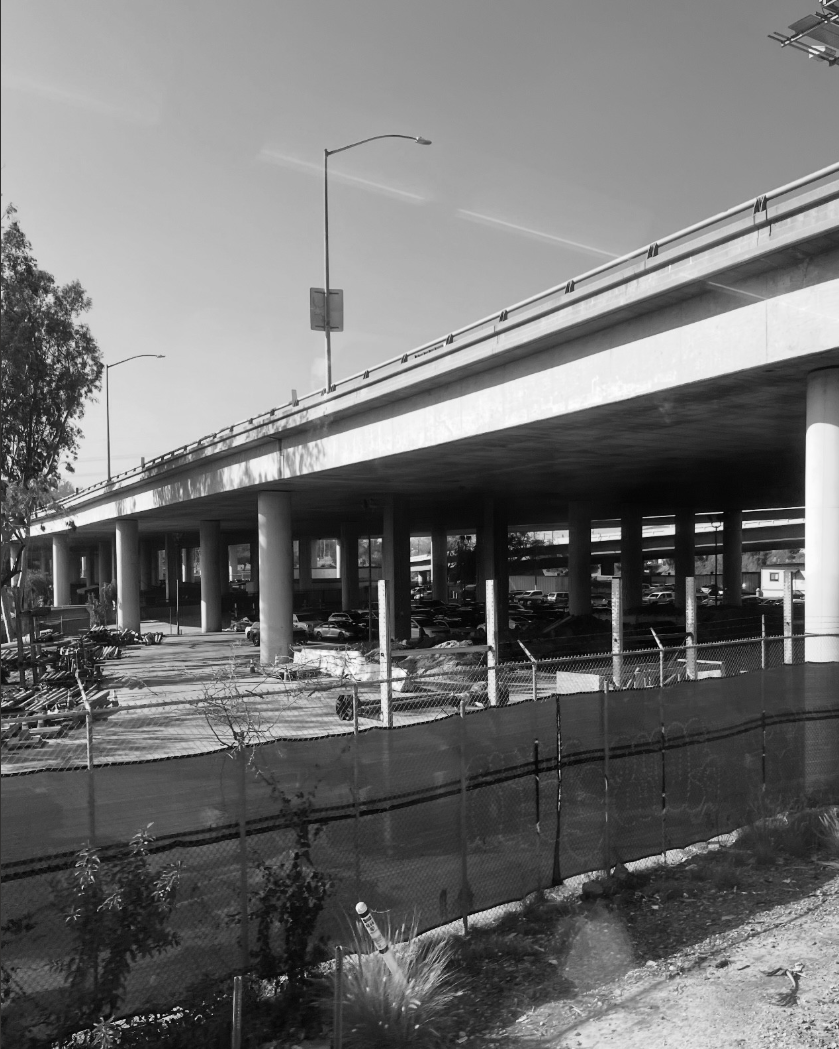
Freeways
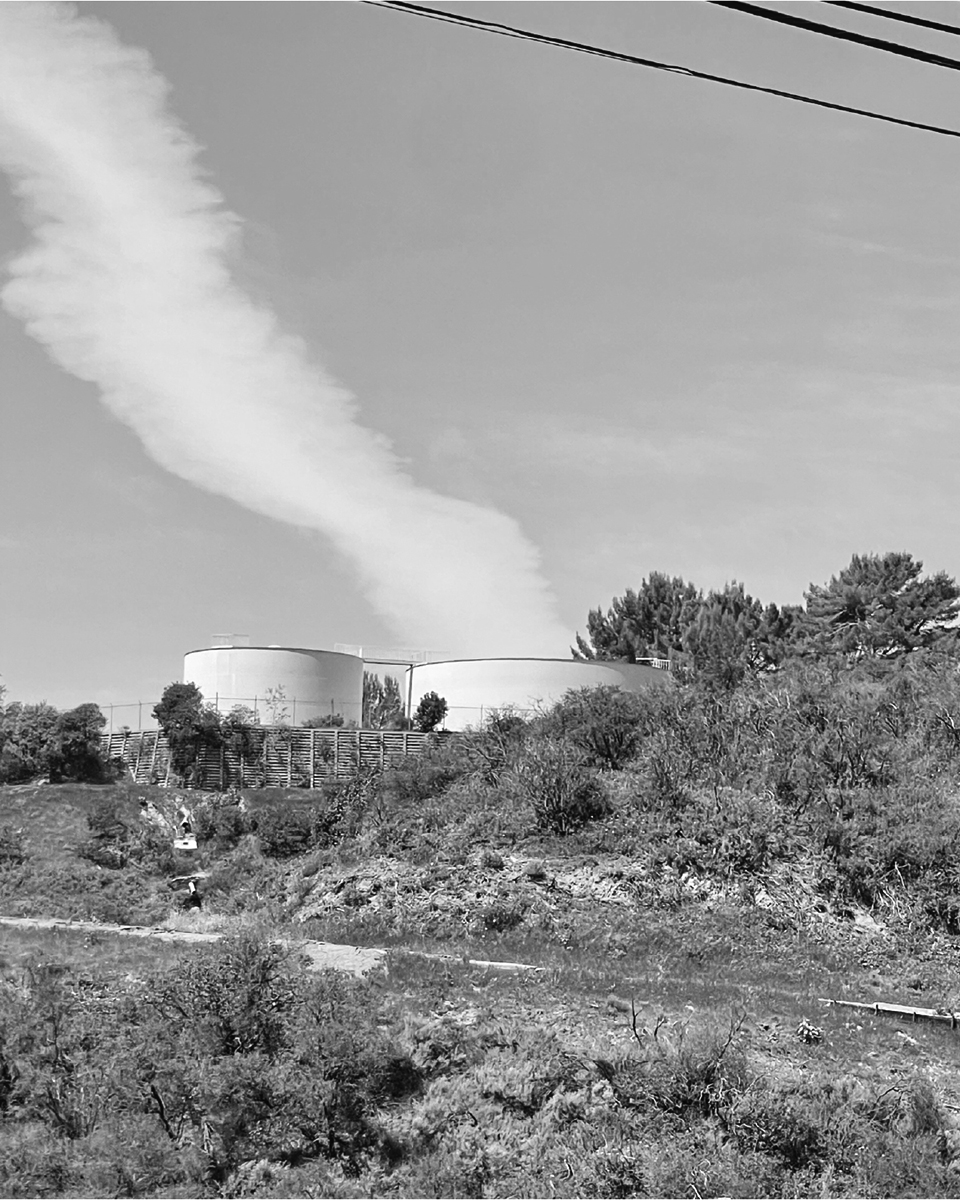
Drinking Water
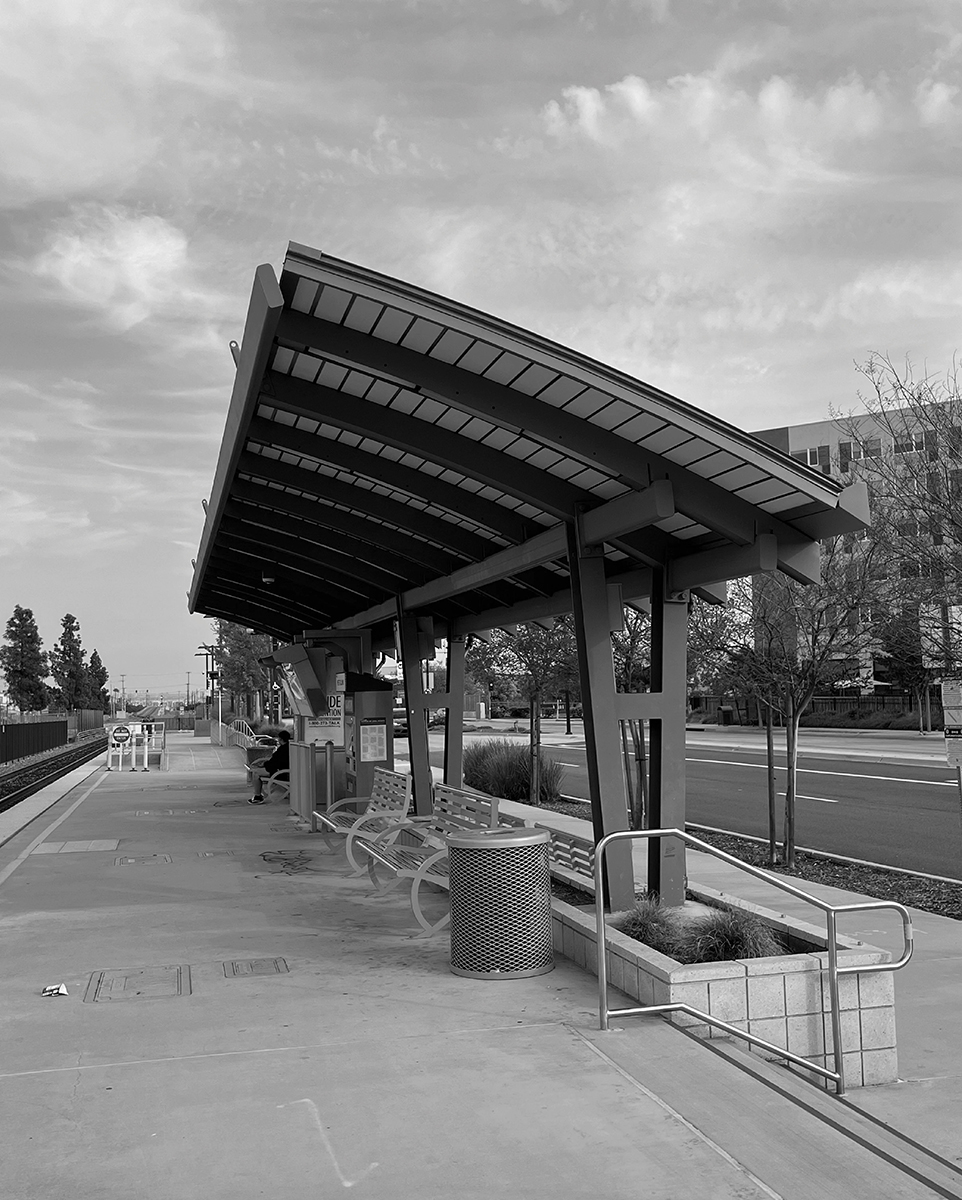
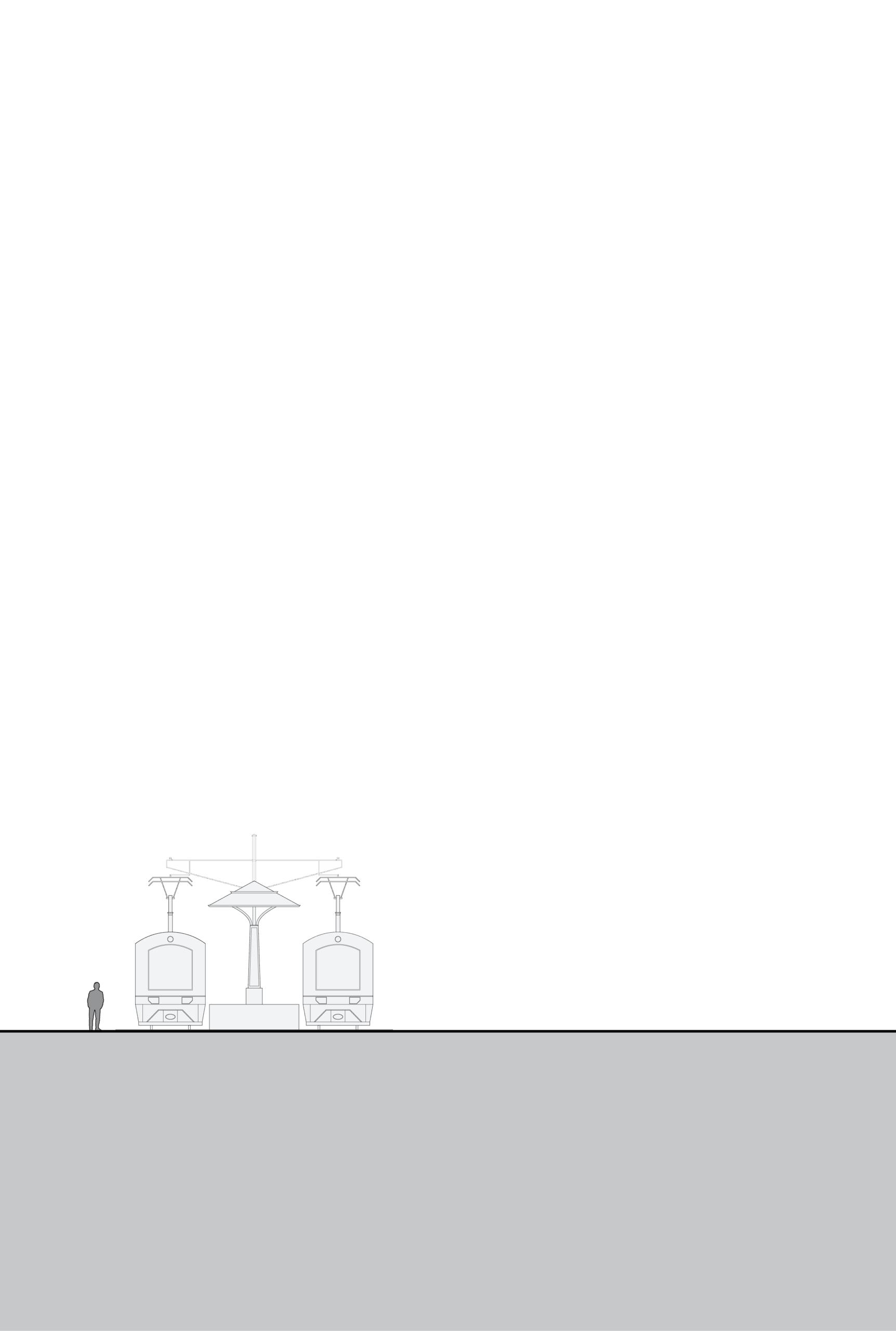
Passenger Rail
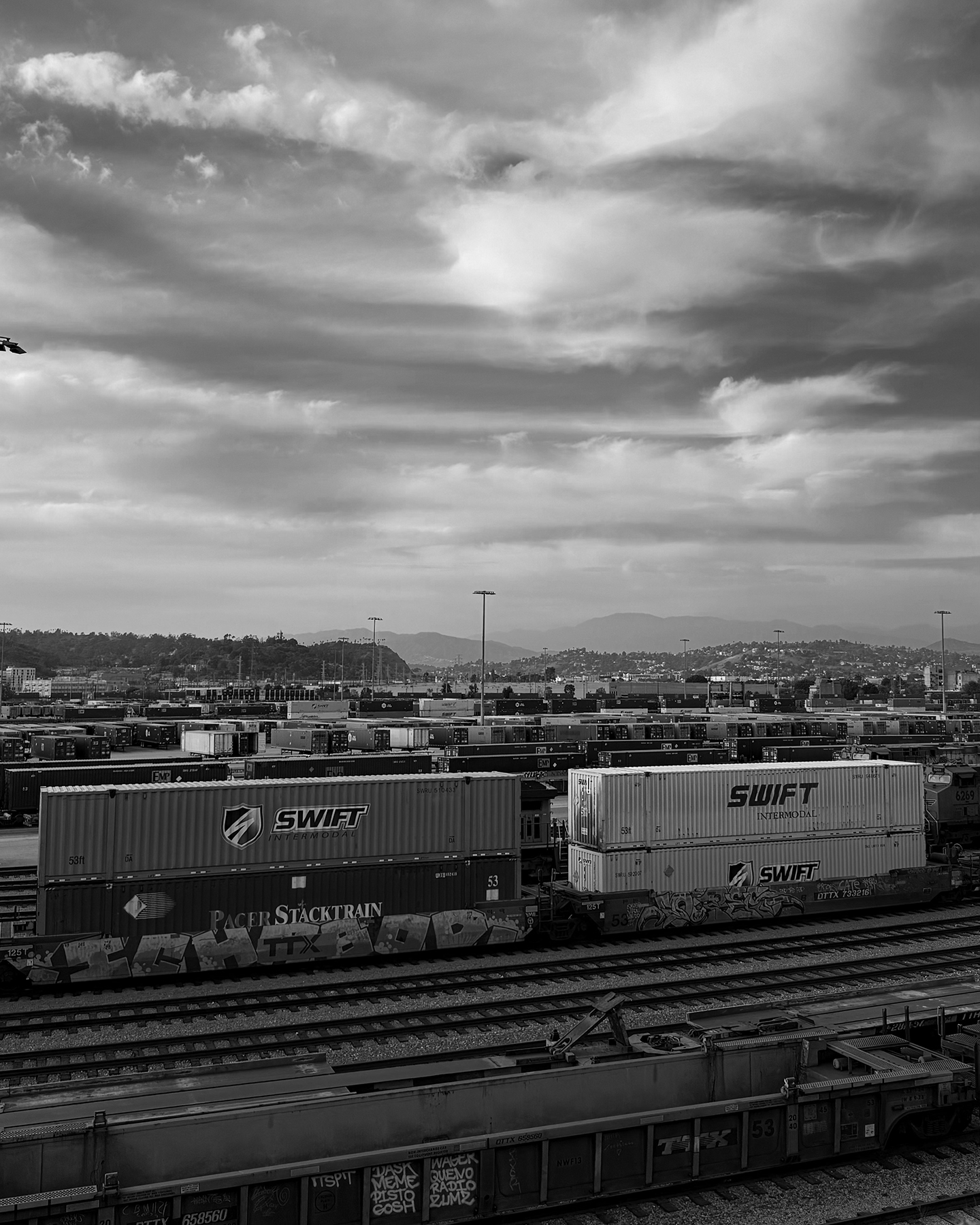
Ports & Freight Logistics
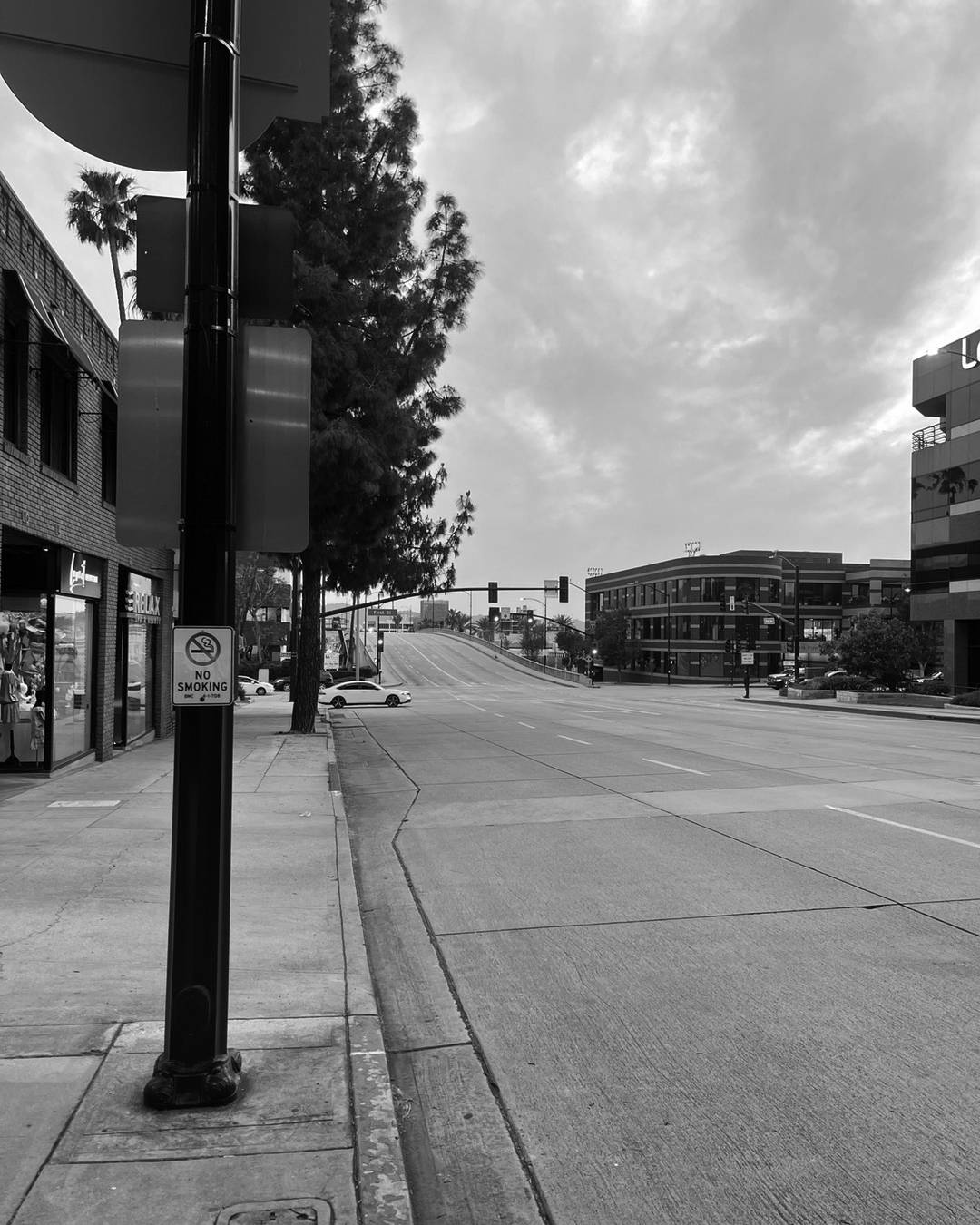
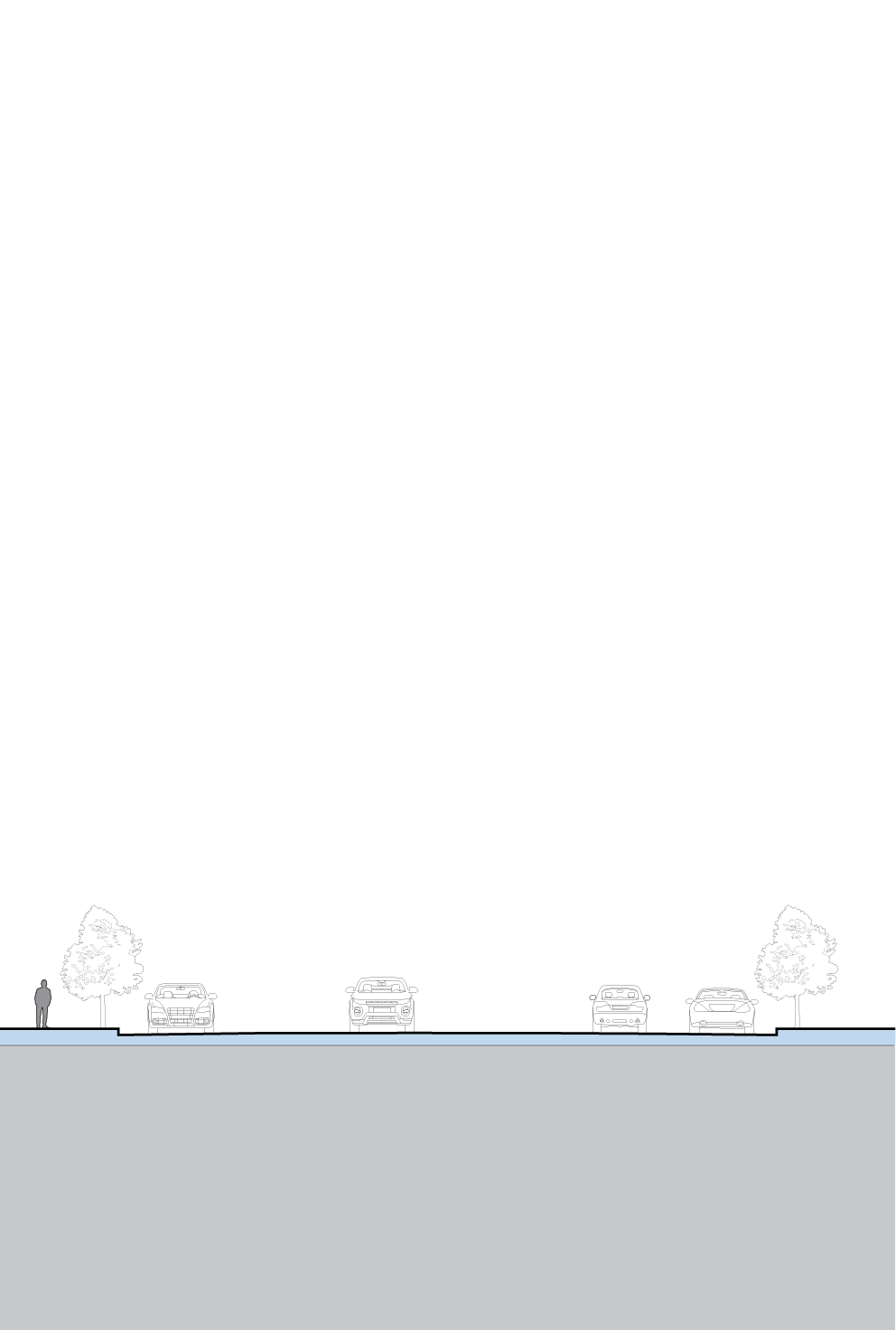
Roads & Sidewalks
Bus Transit
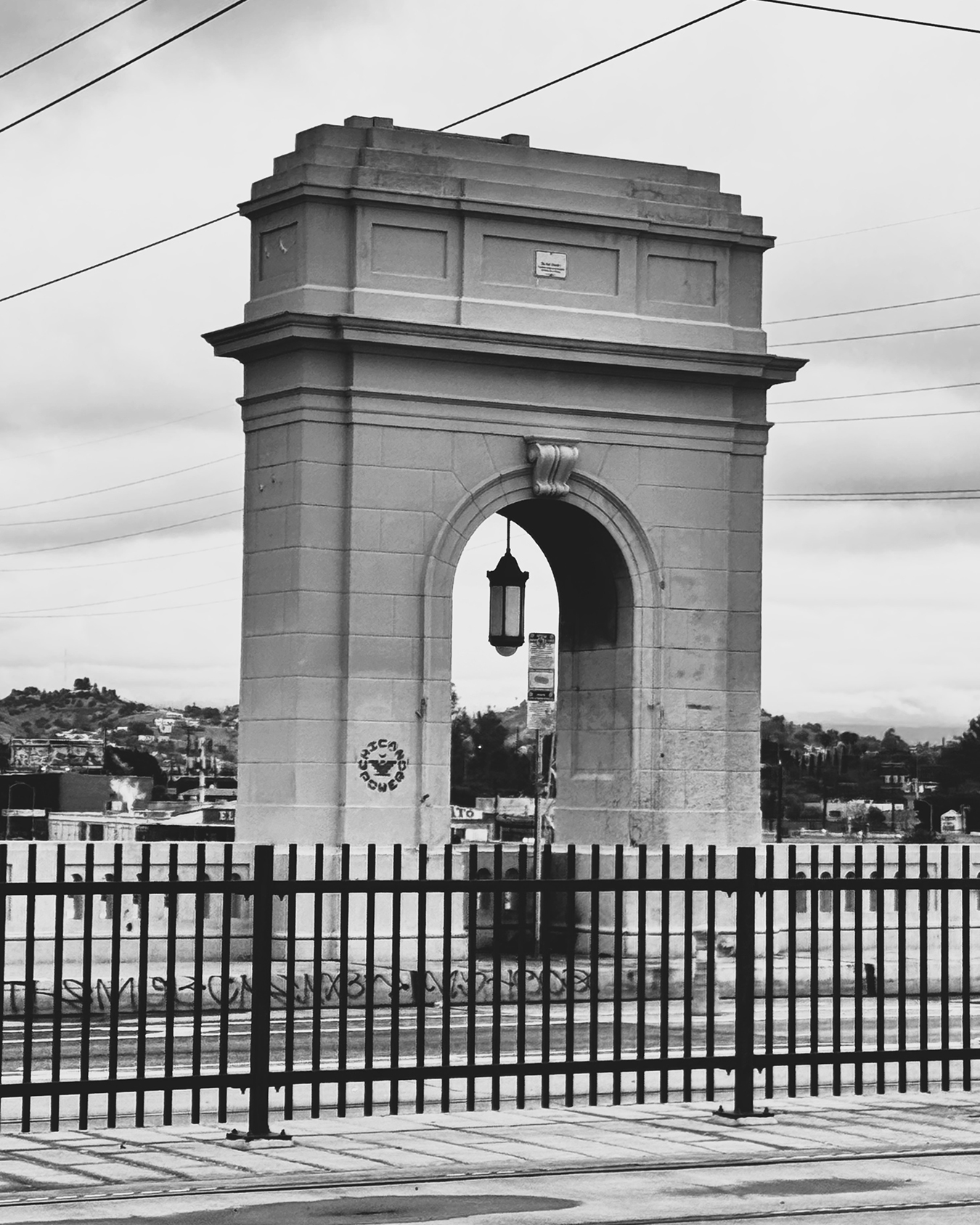
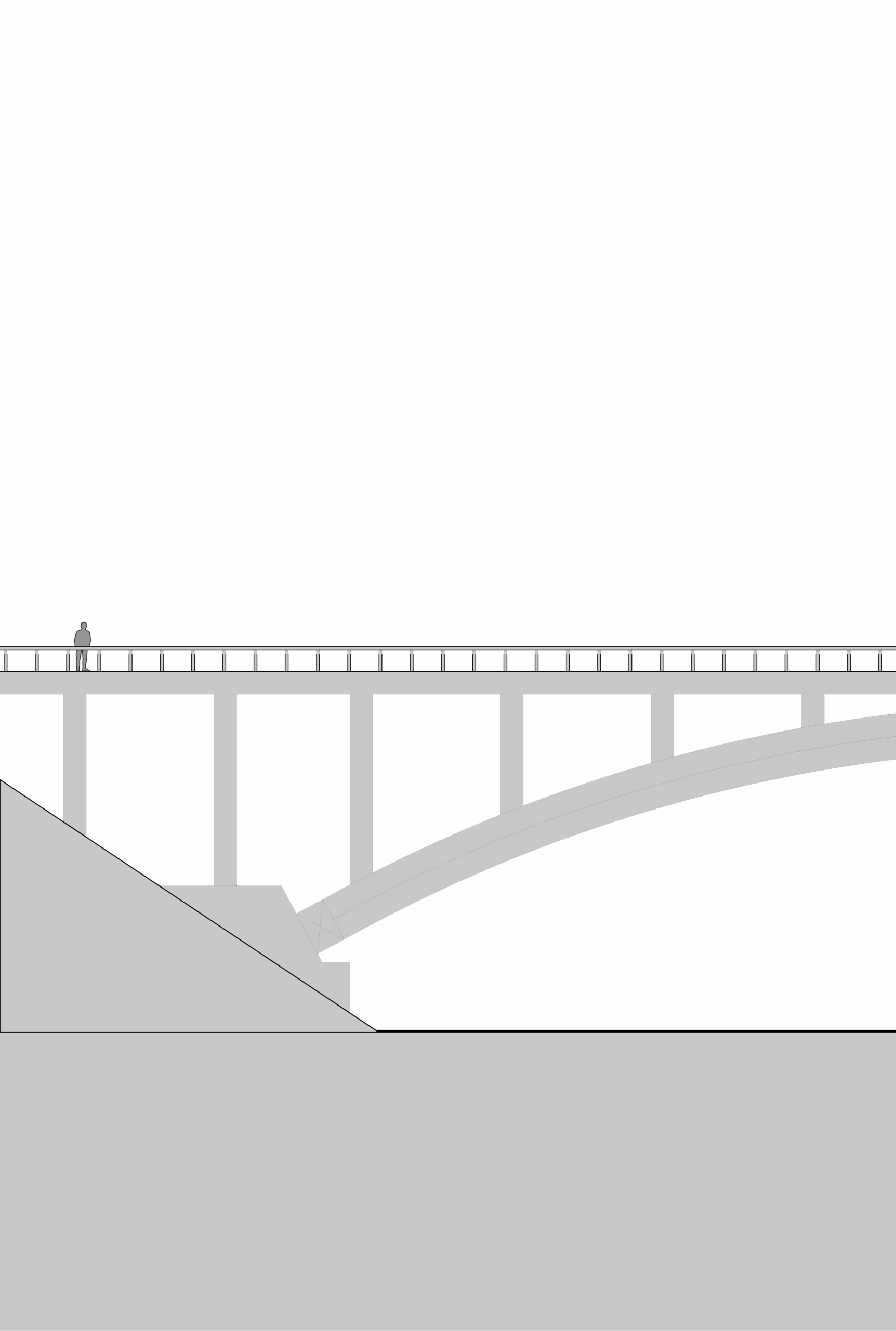
Bridges & Viaducts
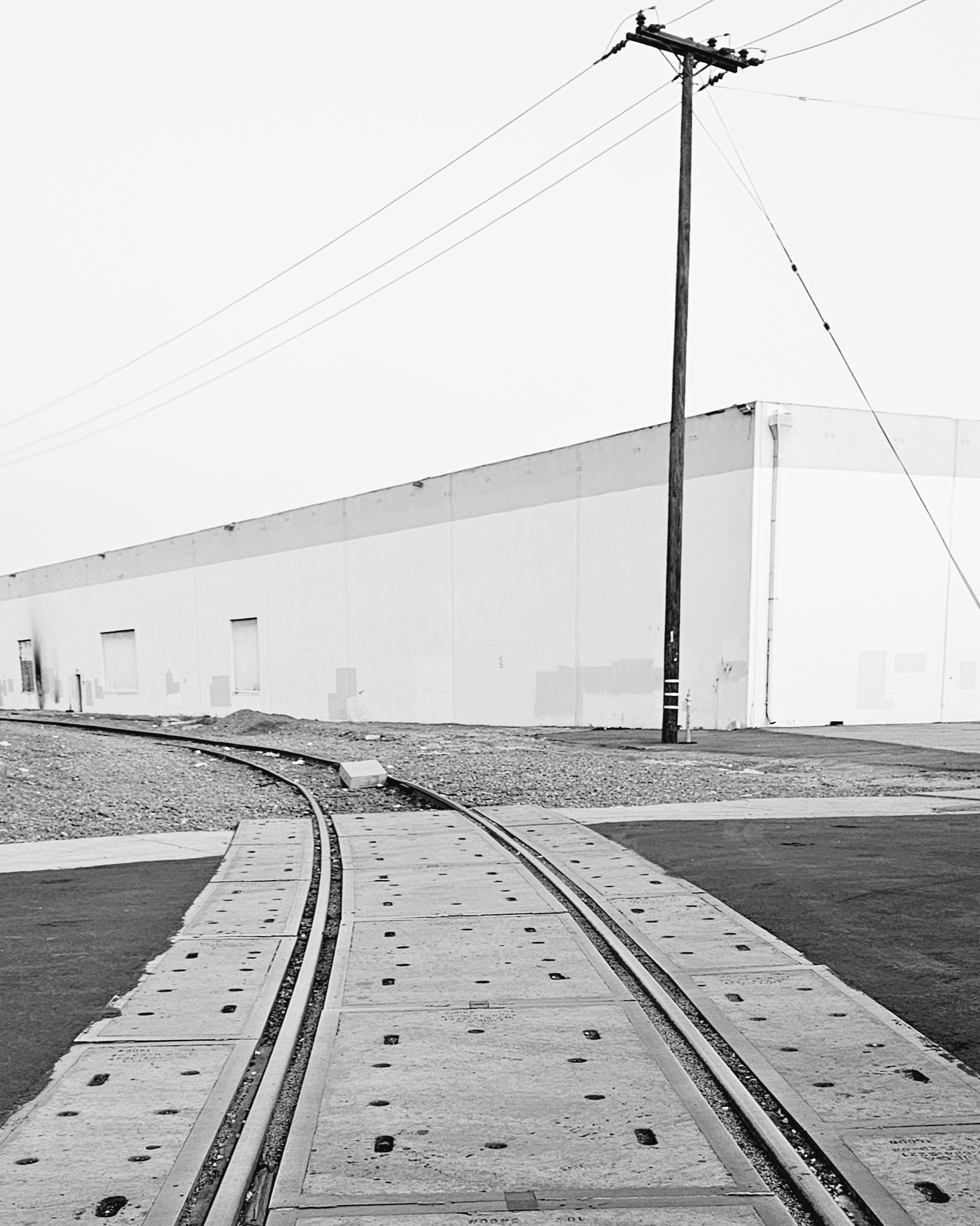
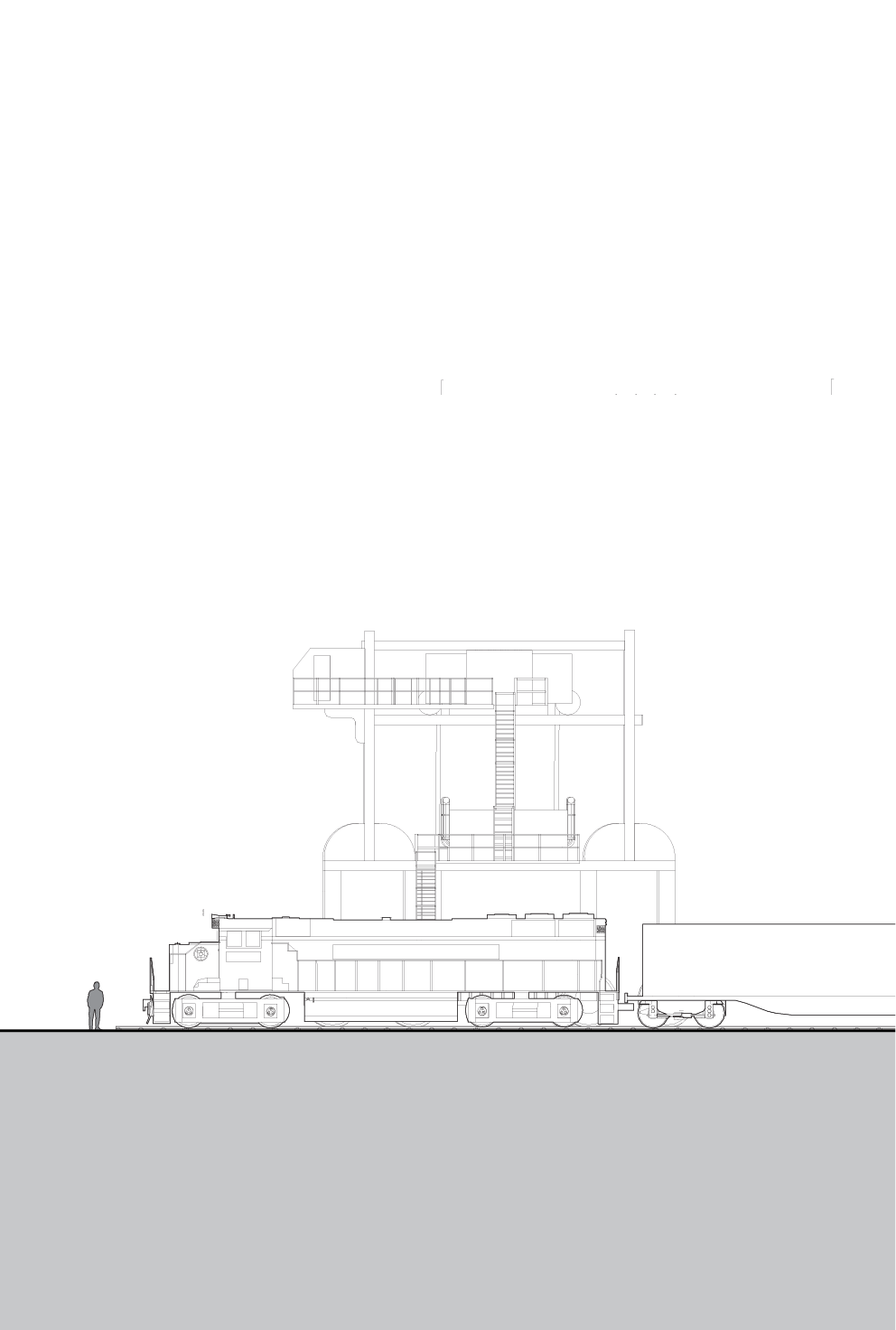
Freight Rail & Warehouses
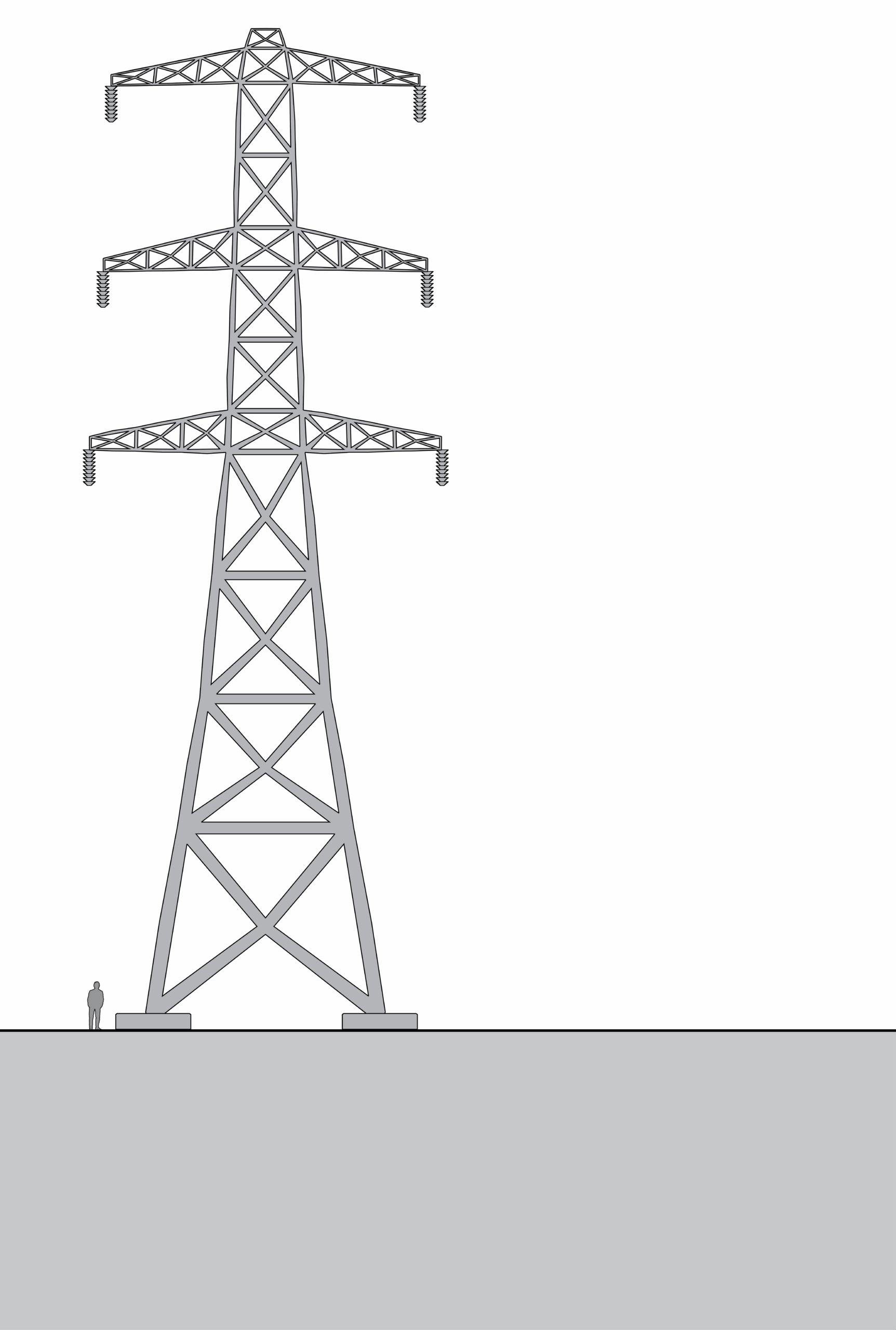
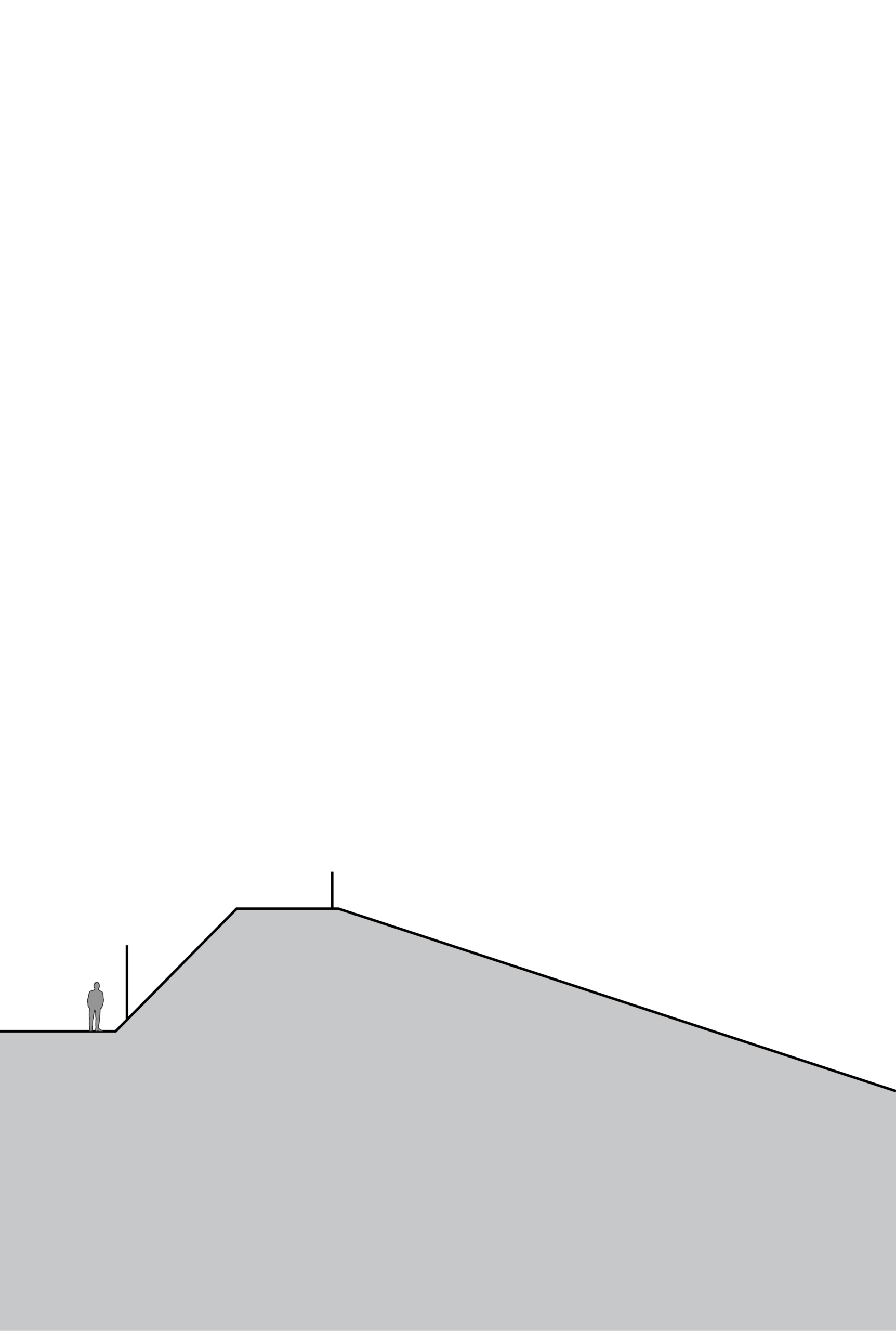



Our Research Methods
A shared, deep understanding of infrastructure – its historical context, ingrained perspectives, and future horizons – was a crucial development for our research studio.
Visit our Readings Page to learn more about our process.